Friday September 11, 2026
I love compendiums!
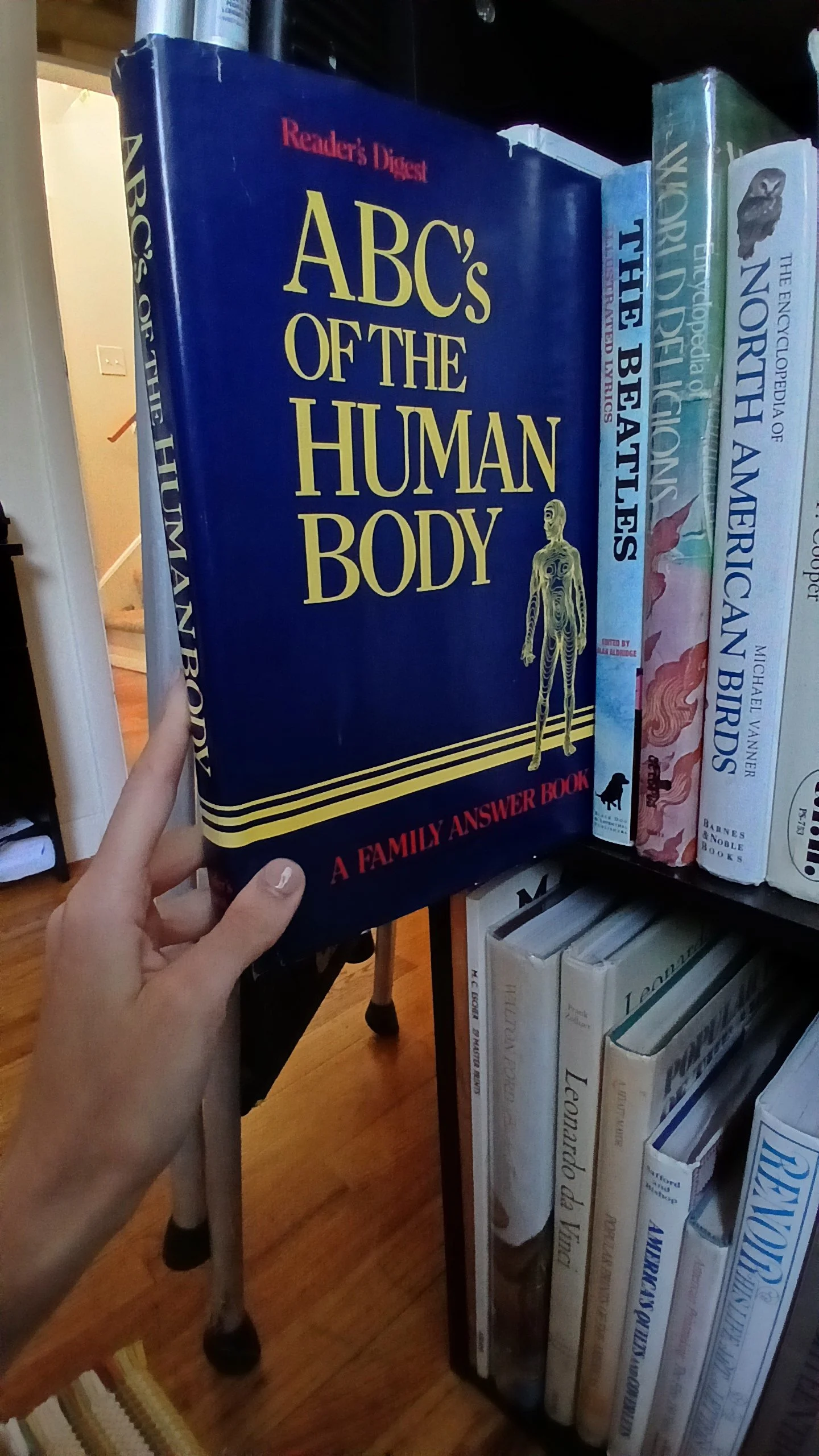
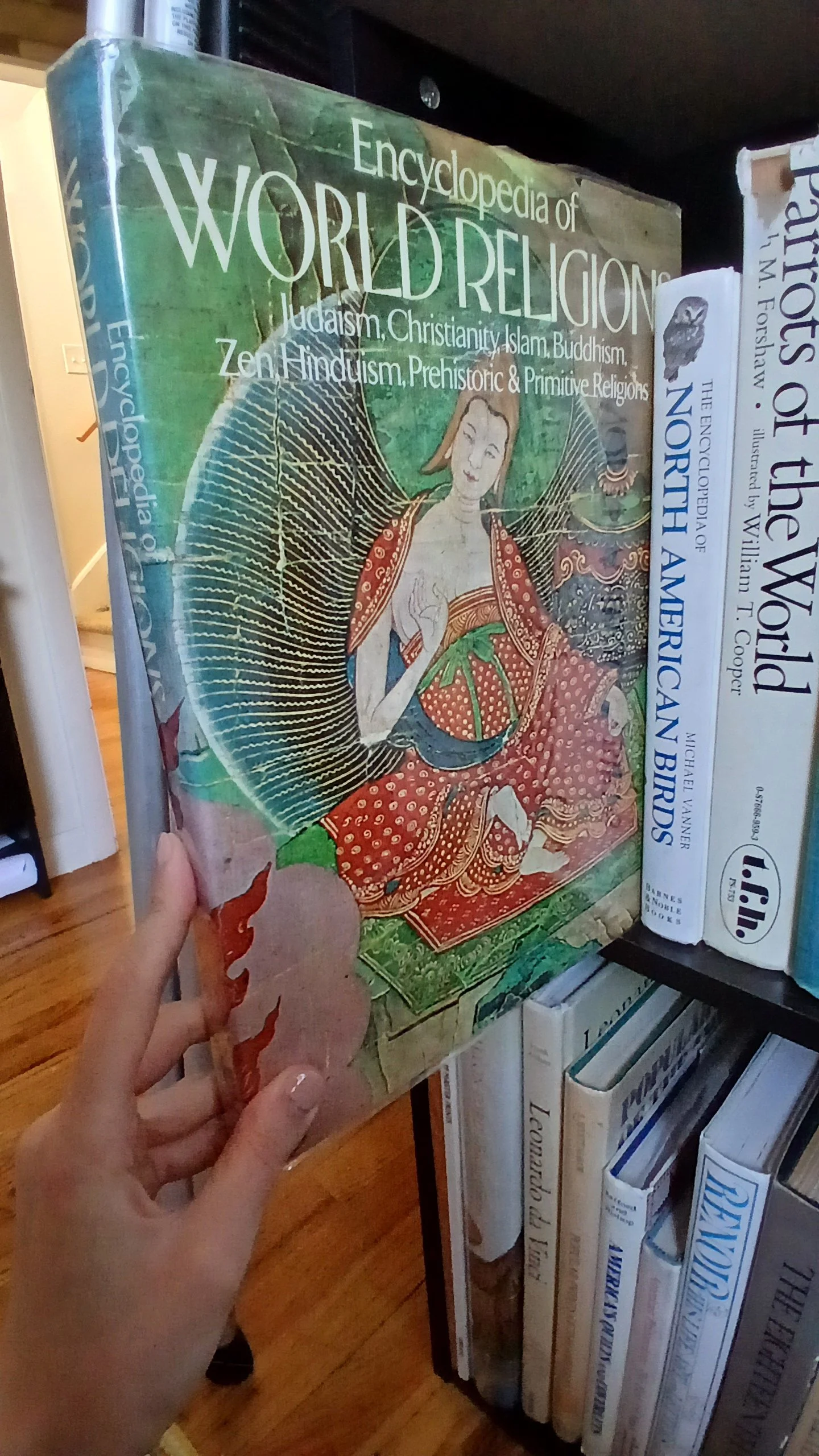
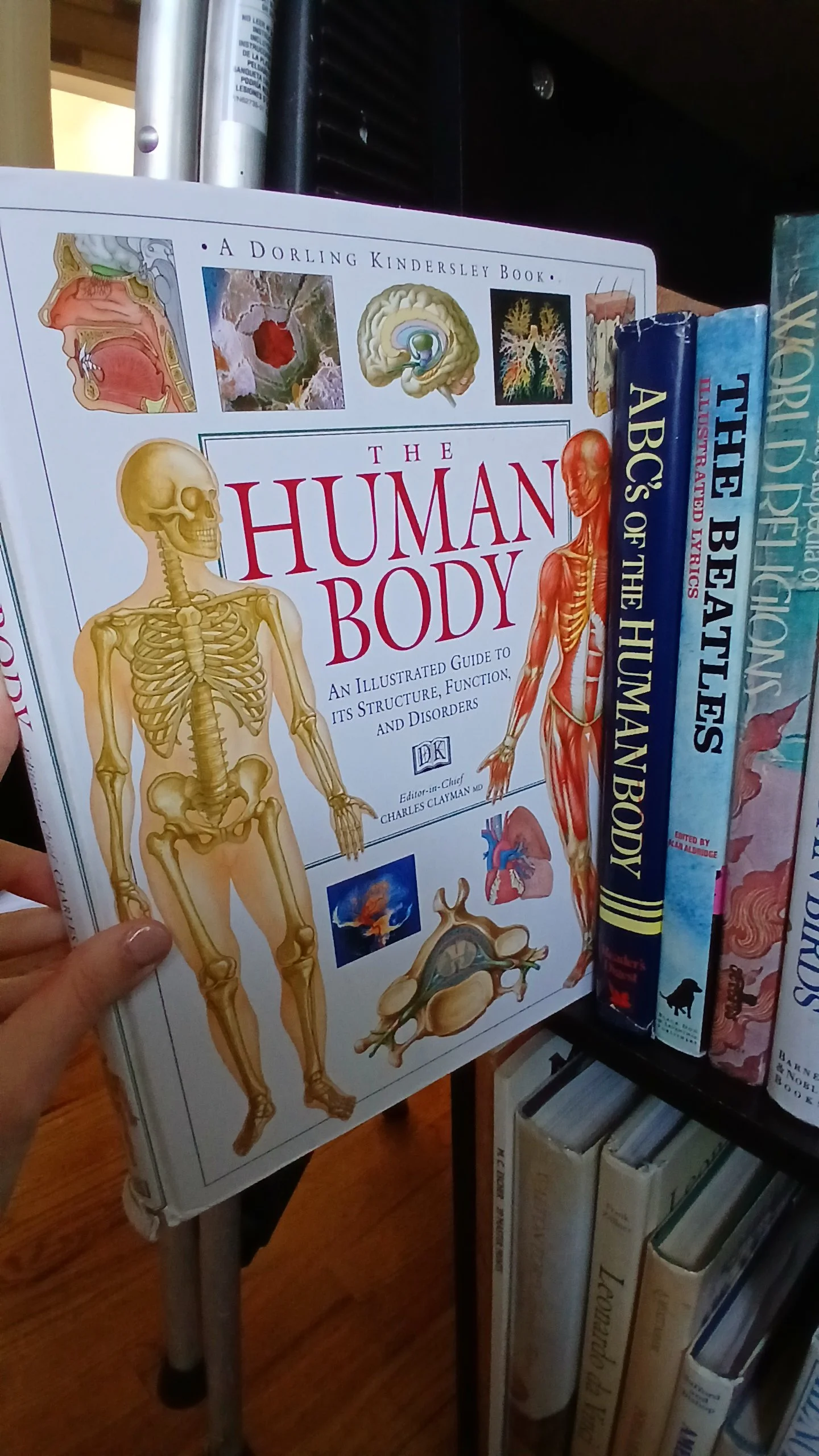
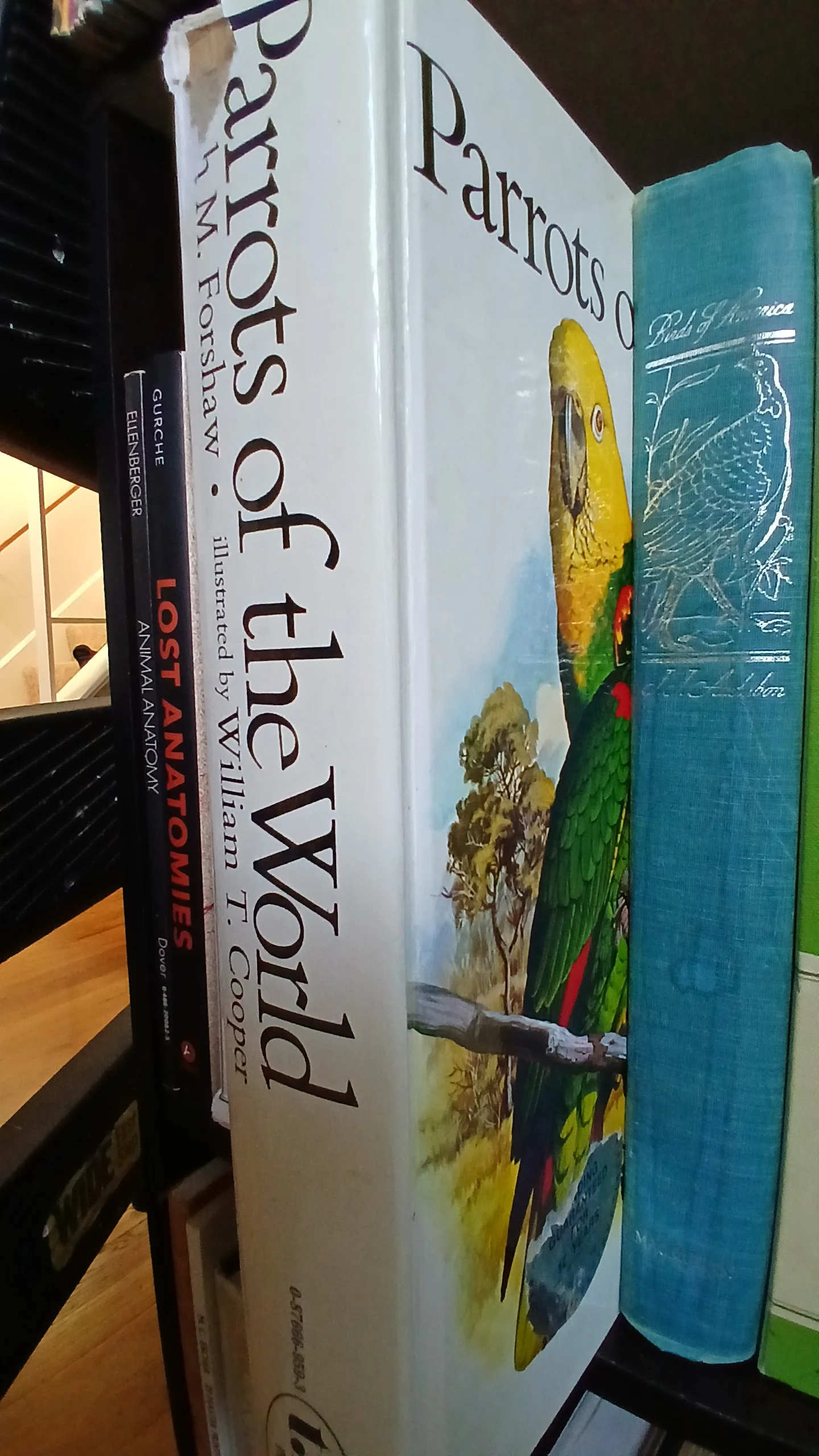
Compendiums are something that I’ve loved my whole life, but it was only until very recently that I learned what they were.
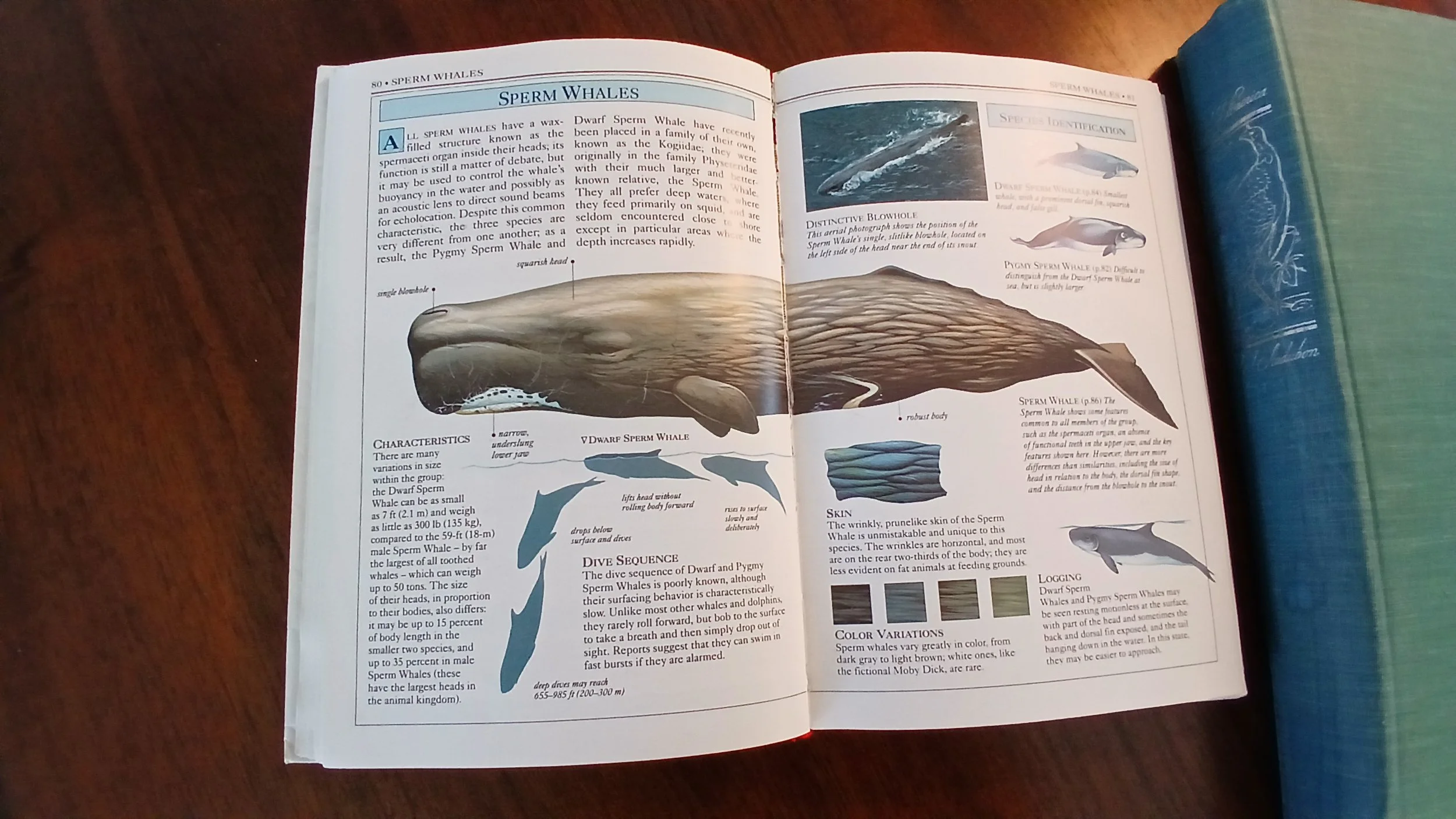
Compendiums (or “compendia”), are texts which serve as concise, comprehensive collections of information pertaining to a particular topic.
Here is a list of common types:
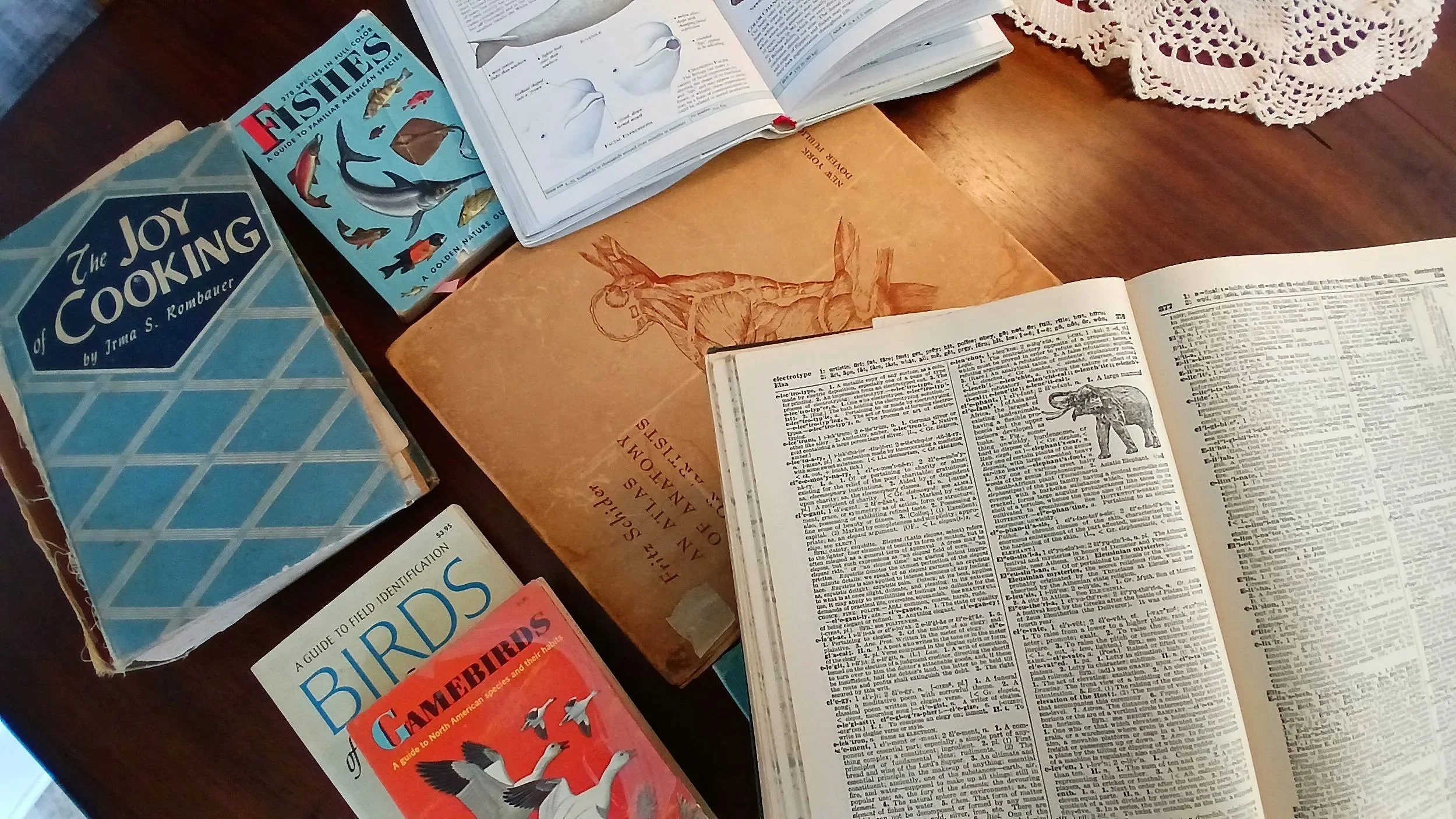
Dictionaries
Encyclopedias
Field guides
Cookbooks
Commonplace books (collections of quotes)
Anatomy reference books (e.g, Gray’s Anatomy)
Atlases
Literature or poetry anthologies
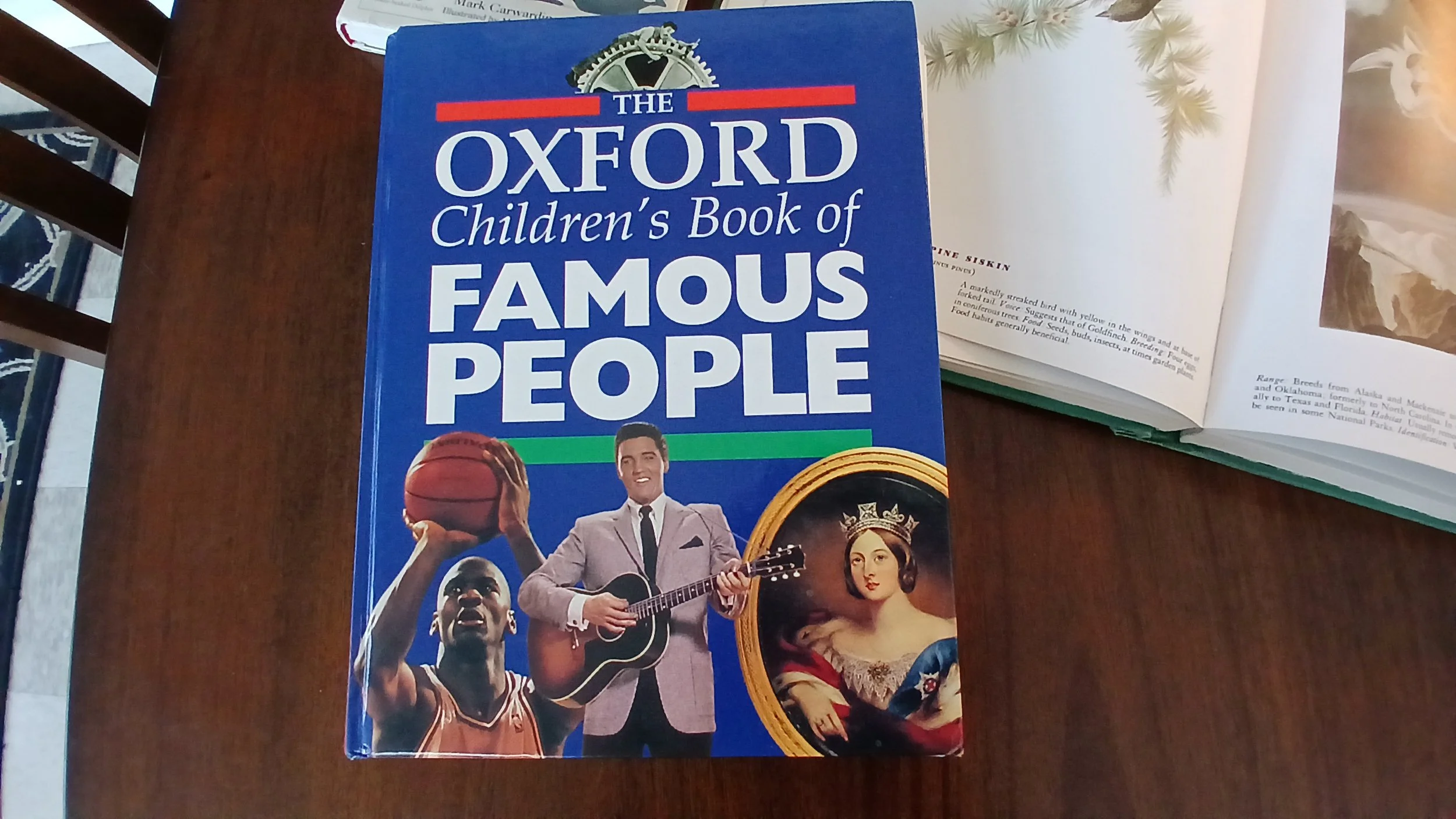
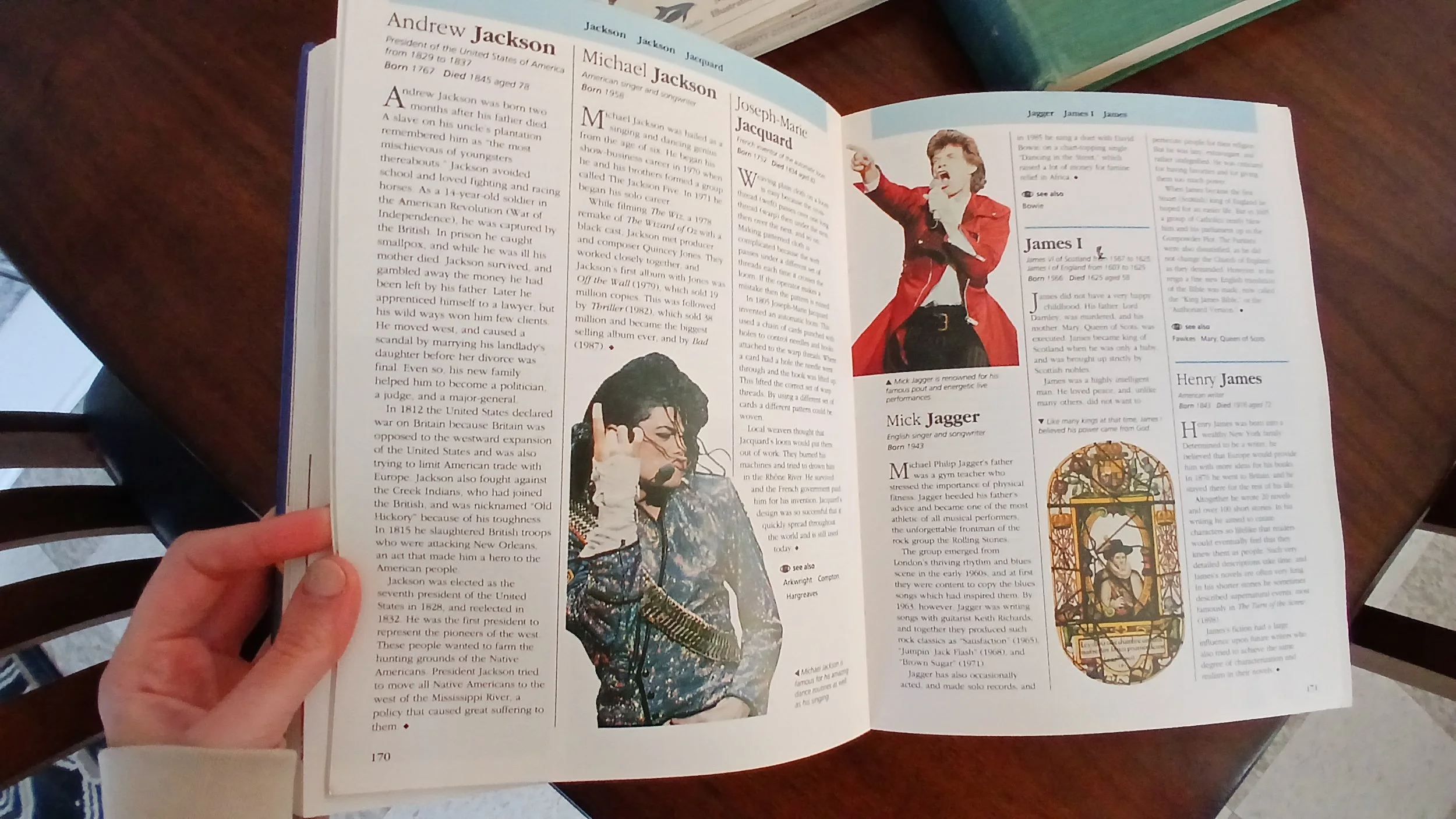
A chronological account of the leaders of a country (example)
Many contain a huge swath of human knowledge amassed over centuries. They’re often the result of prolonged labor and incremental correction by a cohort of (I like to think) obsessive people. They’re organized carefully to present an often-overwhelming amount of information in an eye-catching and digestible way.
The information inside is organized into different categories. Each entry is typically put in alphabetical order by name, but the flow of information could also be chronological, geographical order, by subspecies (as in nature field guides), common function, or even by their rainbow color.
Why are these books so satisfying to interact with? Not only are the illustrations in a field guide or anatomy book, for example, often incredibly beautiful, but there’s something remarkable and triumphant about seeing them as a bound collection. Even (maybe especially) the very old ones. I appreciate that each is an attempt to summarize a sliver of the vast picture of what it means to be human—a picture I often want to grasp. They’re a product of human beings’ inclination to make patterns of information, to collect and dissect in order to better understand. I find it fascinating!
And yet…Even with all of this information at our fingertips (compiled and bound with care), there is something “dead” about a compendium. These texts will ultimately fail to capture the feeling of being alive and to express the mysteries of life. They can be woefully incomplete (this is especially apparent when we compare older texts to today’s), and they frequently expose the cultural biases and prejudices of the place and time they came from.
We take the immeasurable well of human knowledge for granted these days. Most of the time we get a quick definition from our phones. Google will give you the scientific name of a flower you saw on your hike based on a photo snapshot (as well as more than you ever wanted to know). It could be easy to become arrogant these days, thinking that we have all the answers to everything merely because we have instant access to so much textual information. An AI chatbot can spit out an answer to any question we have for us without us having to crack open an index.
I want to resist the Internet’s instant gratification as much as possible. I partly yearn for a time when there was friction between my question and an answer. It gives my imagination space to stretch into the realm of what I don’t know but COULD if I searched hard enough. It’s only my opinion, but I believe it makes learning a more rewarding and joyful process of discovery.
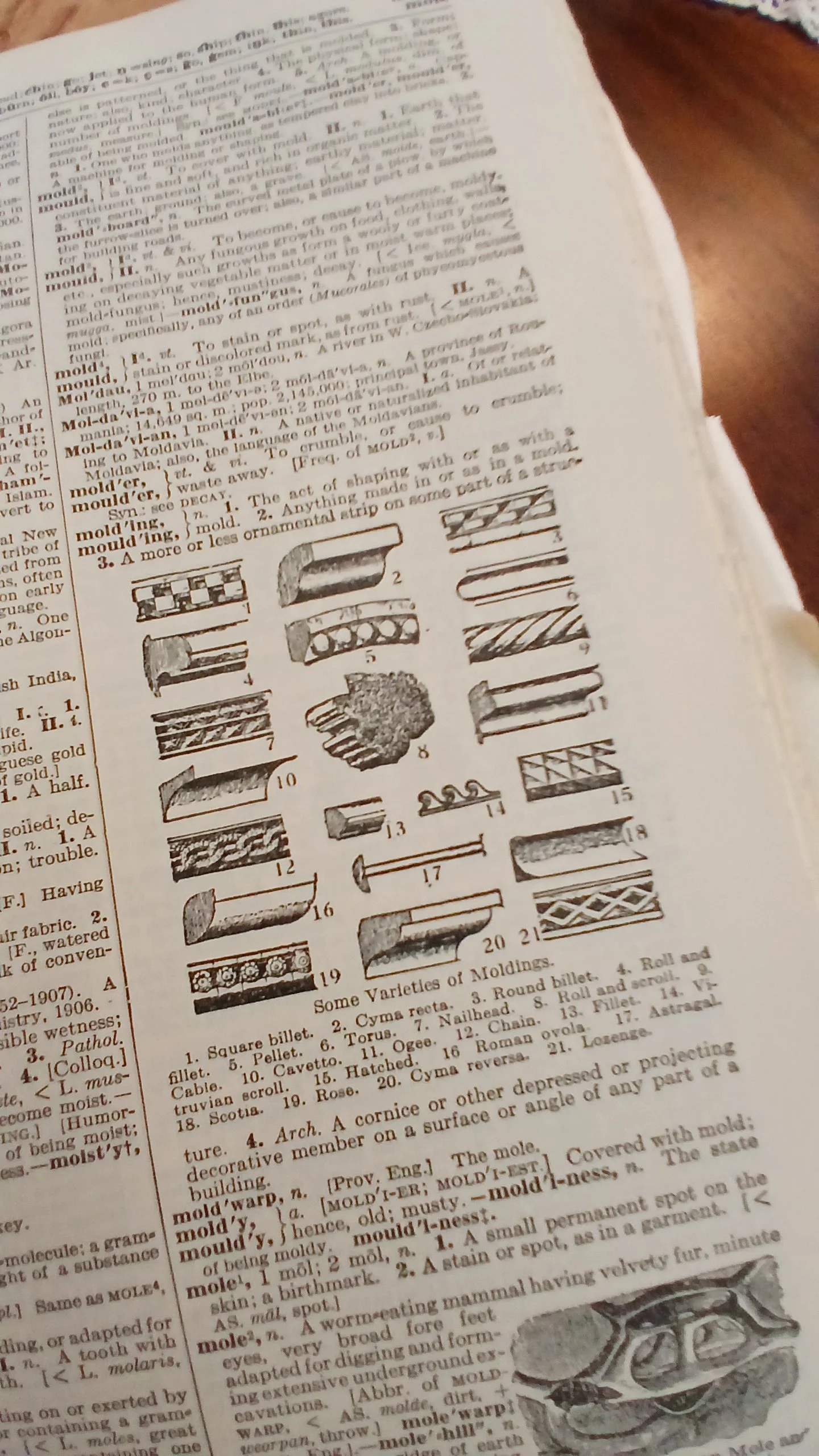
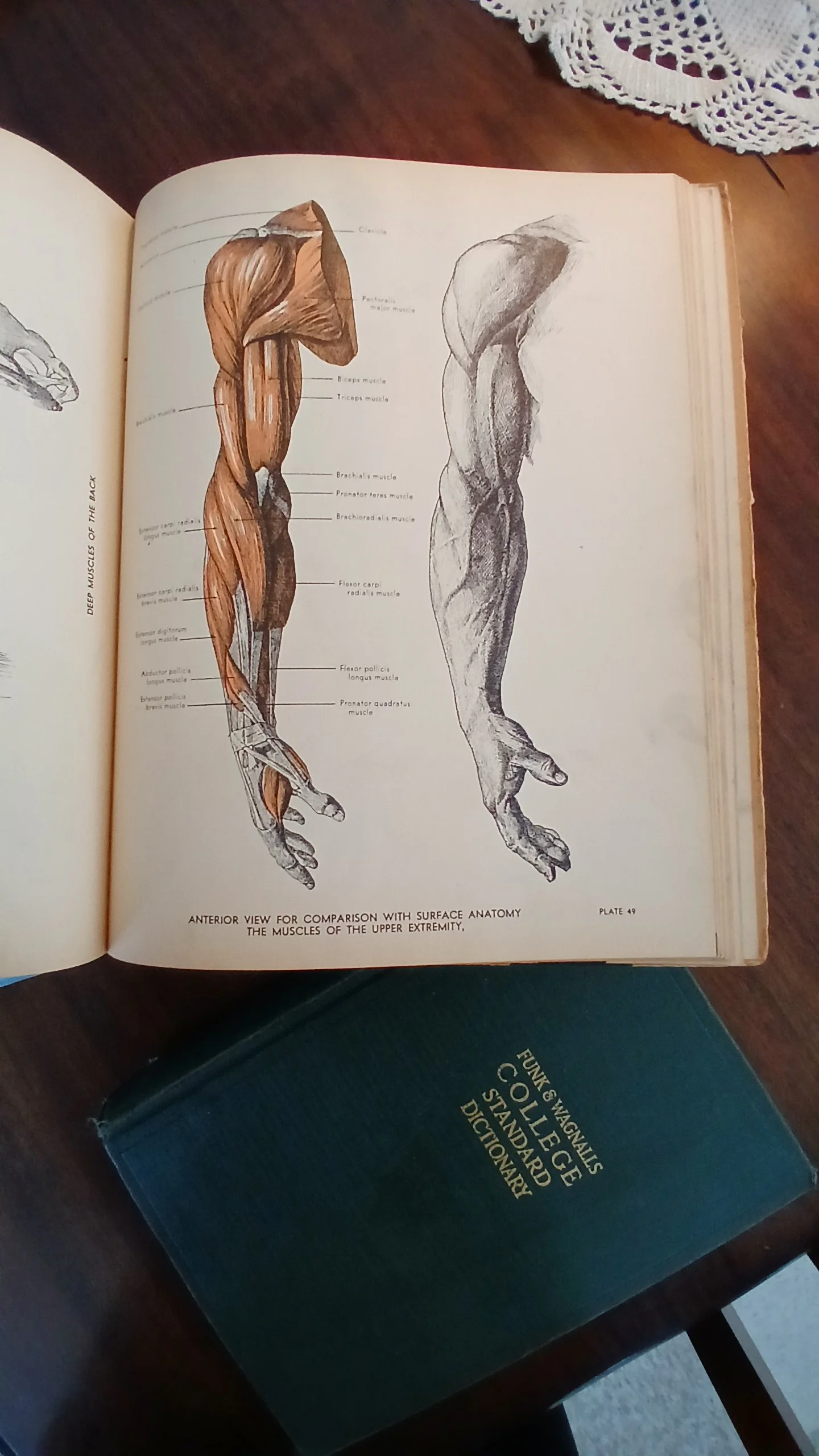
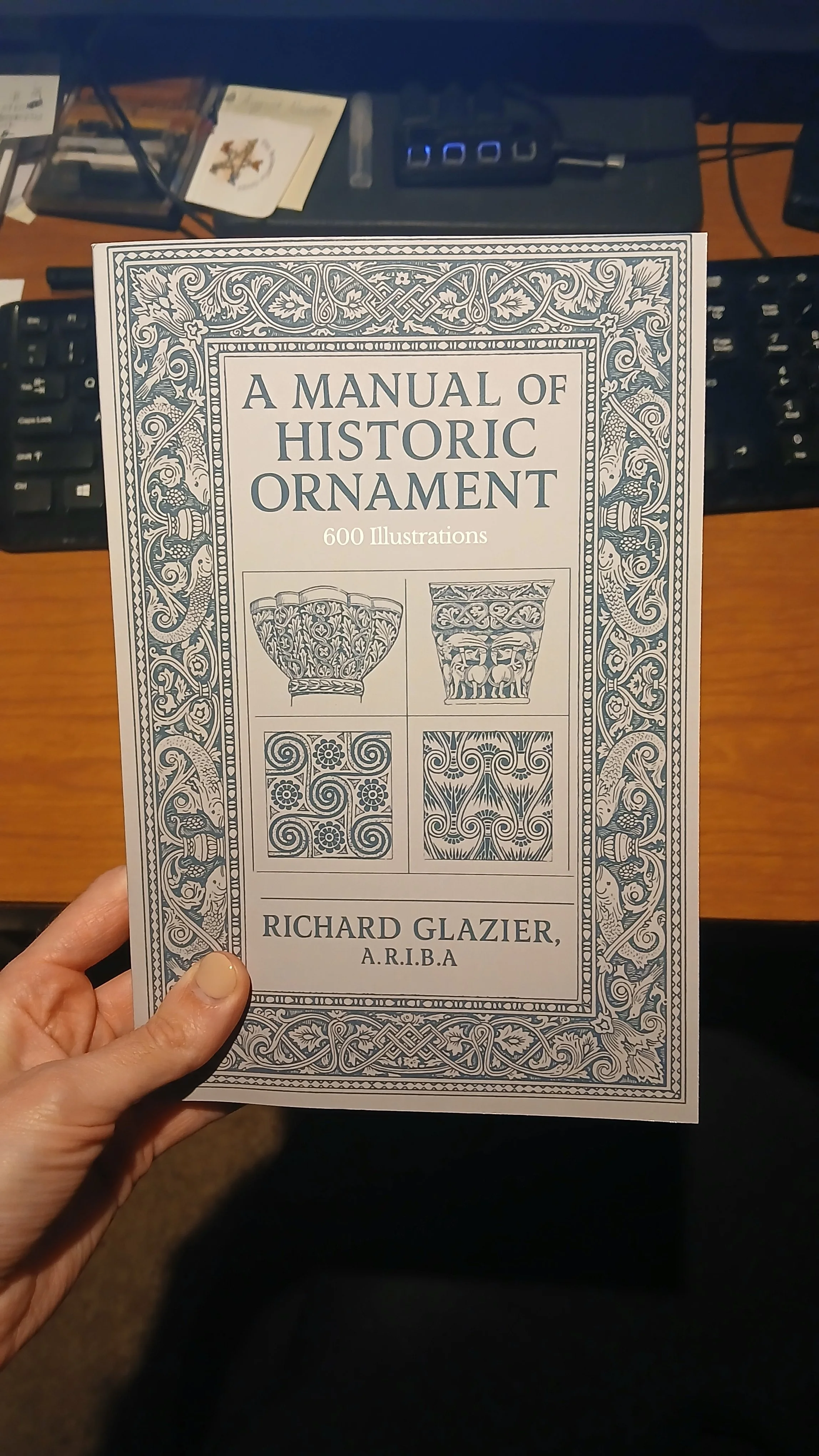
Some of my favorite compendiums
Sketchbooks and journals
I like to think of sketchbooks and journals as types of compendia. Any notebook we fill with drawings or writings (even “meaningless” notes) becomes a snapshot of someone’s life.
Abecedaria
Alphabet books are a type of compendium, in my opinion. They’re delightful.
Moby-Dick by Herman Melville (1851)
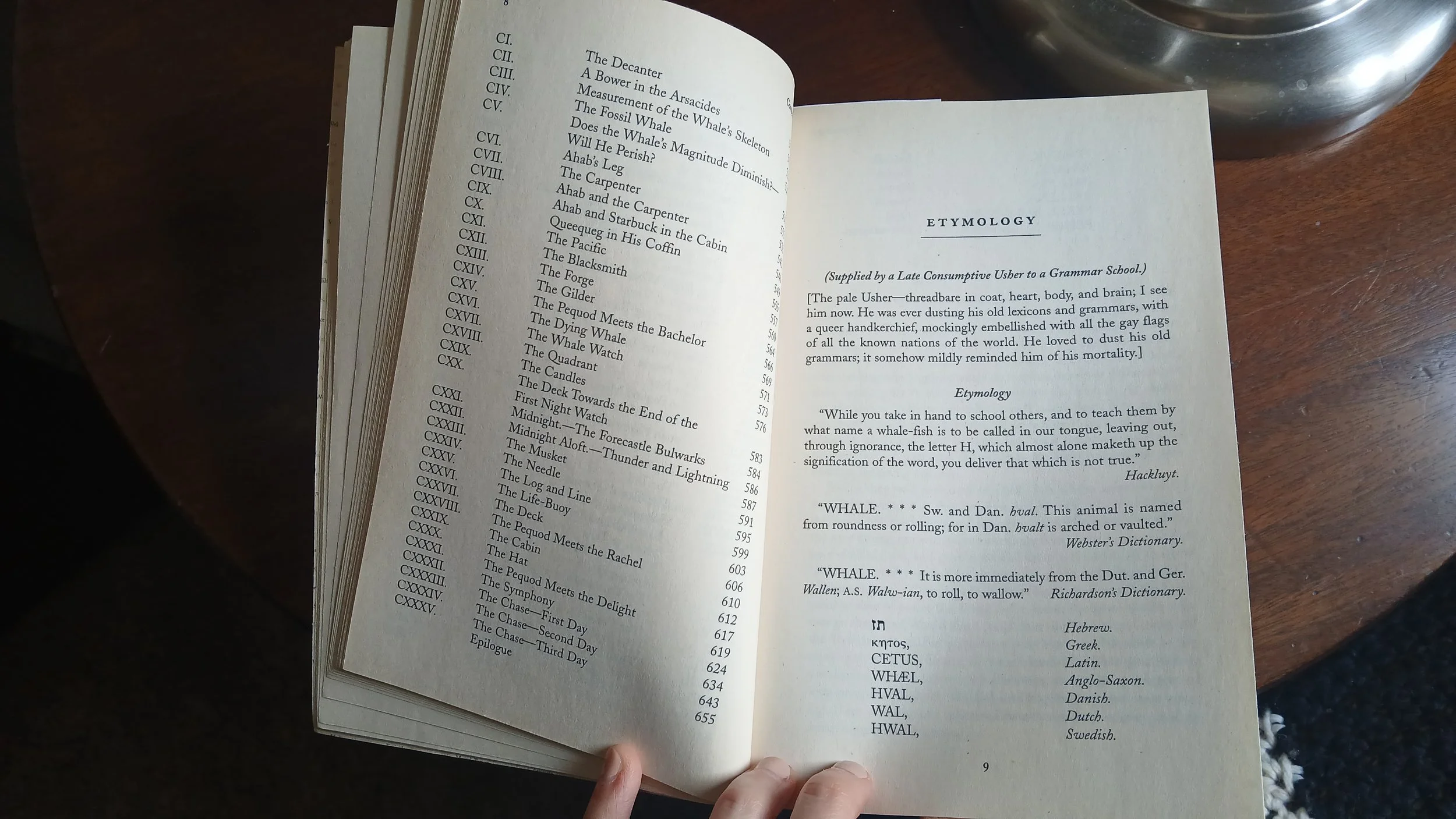
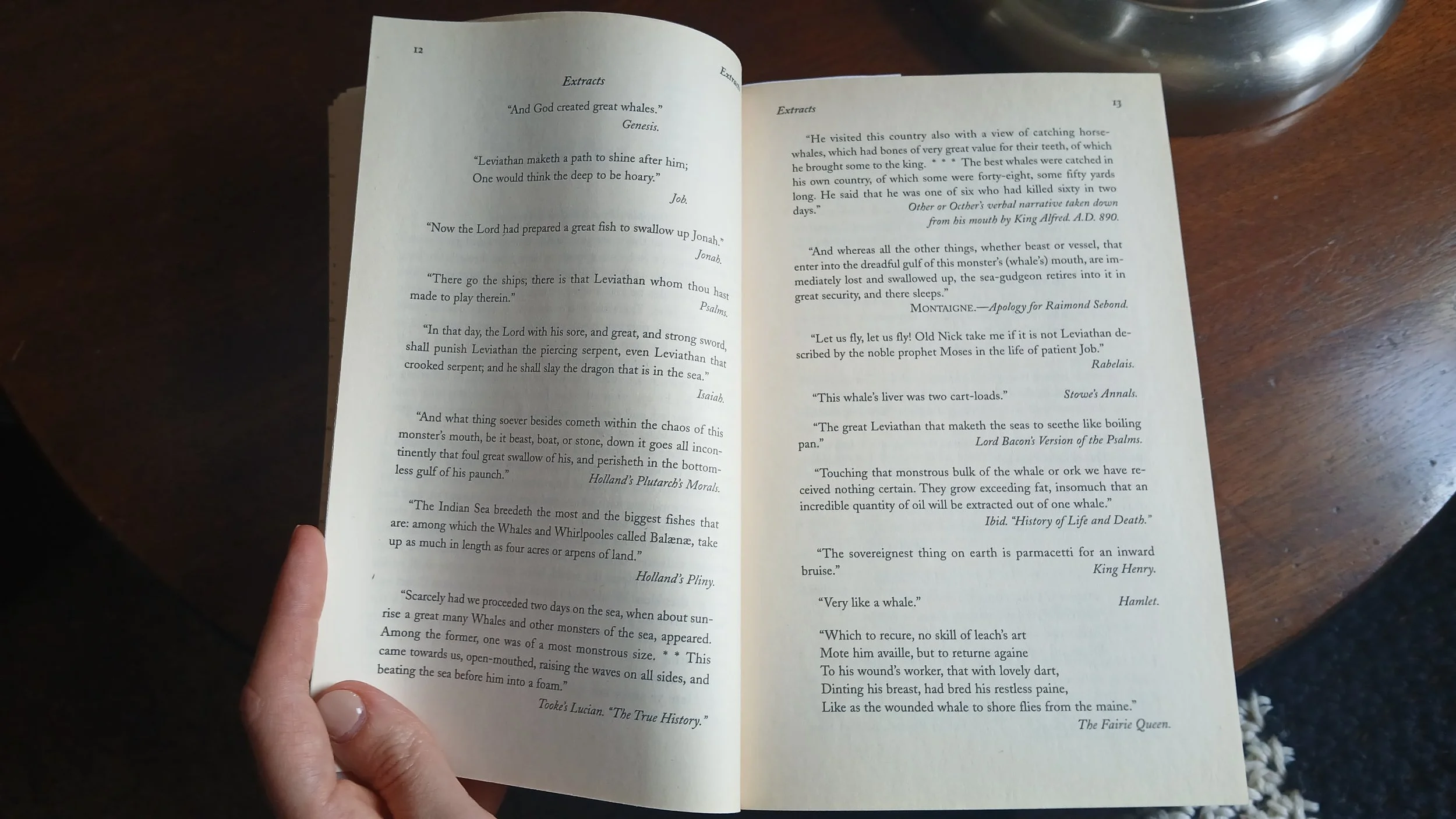
It occurred to me that Moby-Dick—in addition to being a narrative with characters, conflict, and all the other necessary elements—is a compendium of the American whaling industry. I think this might have been Herman Melville’s actual primary motive.
From the start, we have a chapter denoting the etymology of the word “whale,” followed by a chapter consisting only of quotes “as affording a glanding bird’s eye view of what has been promiscuously said, thought, fancied, and sung of Leviathan, by many nations and generations…”. Melville jokes they’ve been compiled by a sub-sub librarian (a doubly low clerk). This anonymous researcher had the thankless job of spending hours combing through the library to extract all mentions of whales.
The chapter listings read like the headings of an encyclopedia and document many aspects of life on a whaleship.
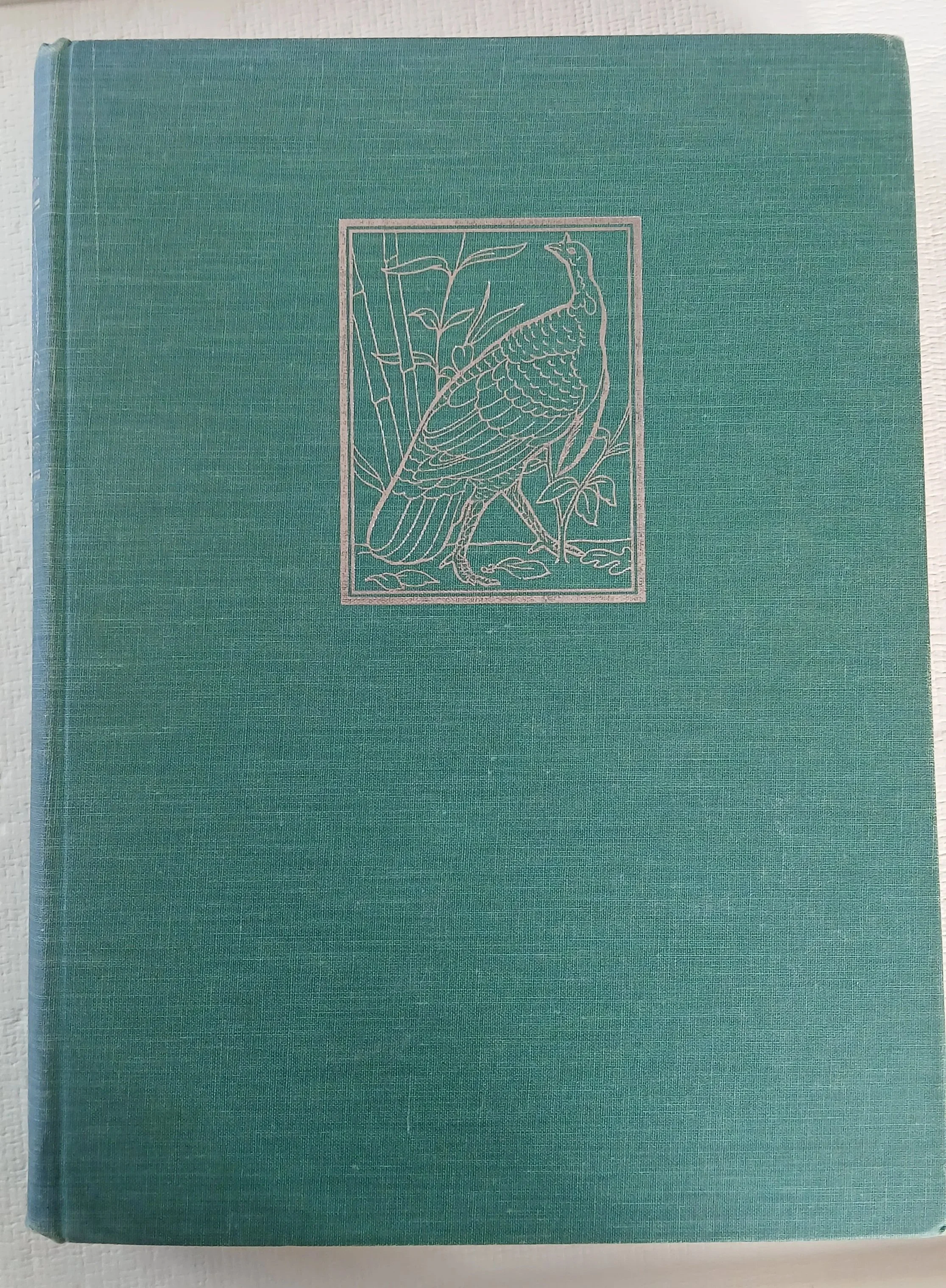
John James Audubon’s Birds of America
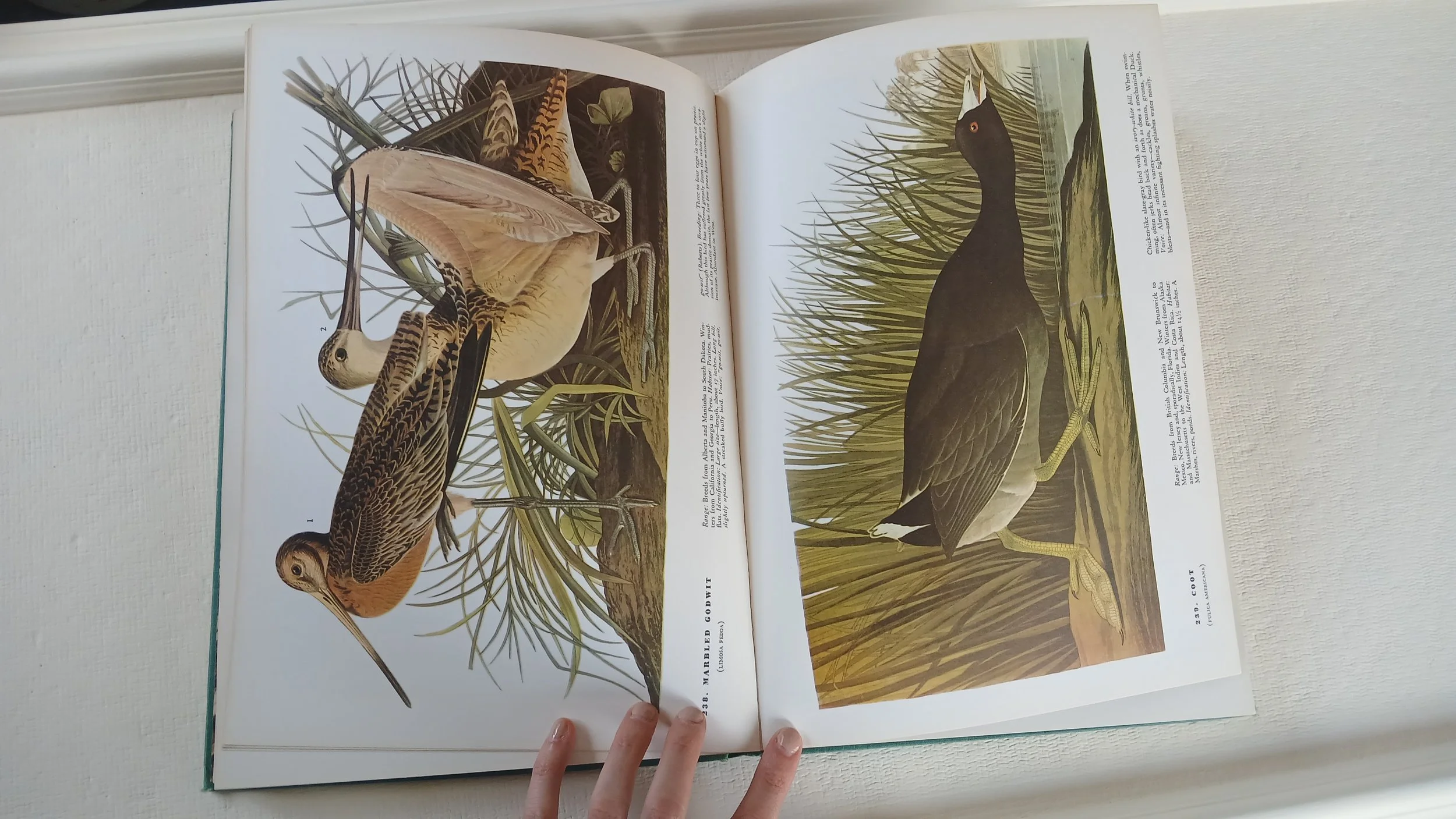
Some of the most gorgeous etchings I’ve ever seen are the elephant folios from Audubon’s Birds of America on display in the library at the Cleveland Museum of Natural History. Every month (I believe) they turn to a different page of the book. My copy is nice, but it’s a pale comparison to seeing the real etchings.
There’s a morbid beauty to the Audubon plates, knowing that he killed them in order to pose and document them. To me, it’s a demonstration of the cost (and/or sacrifice) to all this collection of knowledge and progress.
More…
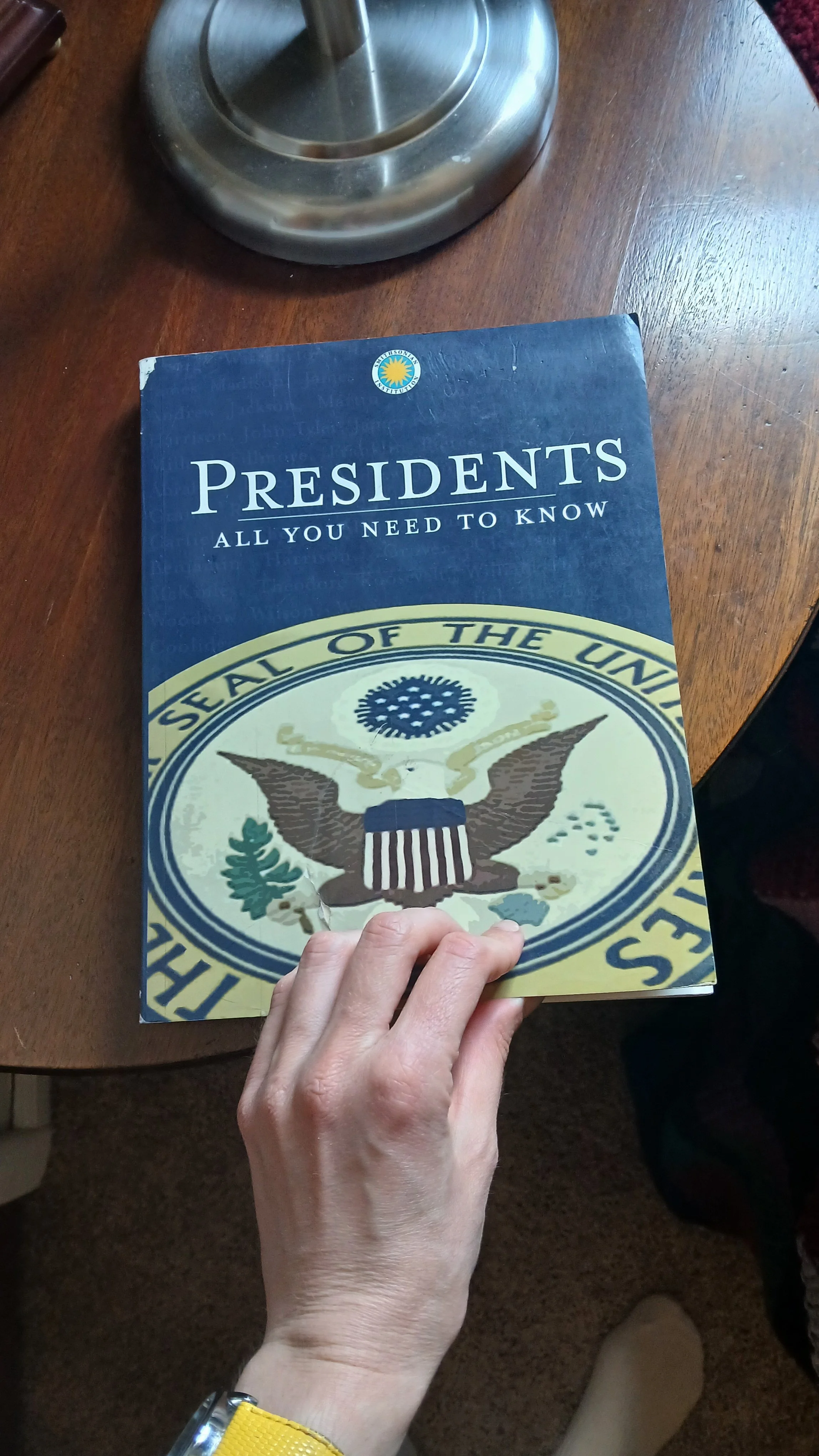
All you NEED to know hahaha!
Or: All YOU need to know…
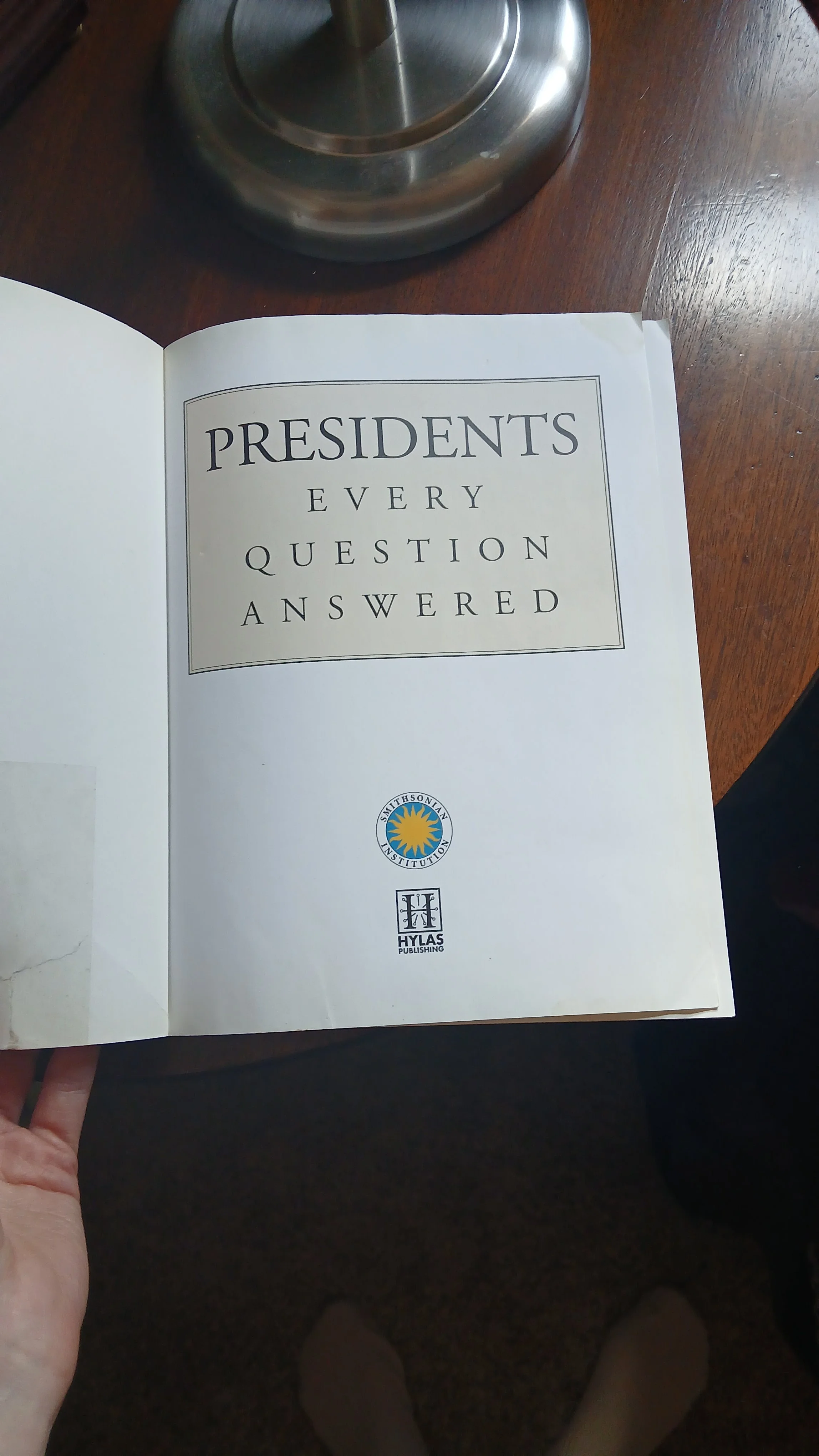
Somehow I doubt that. But I gotta admire the confidence (audacity?)